
The World Cup Fan's Guide to Algeria vs Austria Standings
Algeria and Austria finished their 2026 FIFA World Cup Group J campaign with a dramatic 3-3 draw in Kansas City on June 27, 2026, sending both teams into the knockout stage. Austria placed second behind Argentina, while Algeria advanced as one of the eight best third-placed teams. Marko Arnautovic, Marcel Sabitzer, and Sasa Kalajdzic scored for Austria; Rafik Belghali and Riyad Mahrez, twice, replied for Algeria. Both teams ended the match with identical records of one win, one draw, and one loss, producing four points each. Austria progressed directly, whereas Algeria relied on the tournament’s third-place ranking system. The decisive moment arrived in the sixth minute of stoppage time, when Kalajdzic headed in the 3-3 equaliser. For any standings-based prediction, verify the final table, goal difference, and knockout bracket before acting.
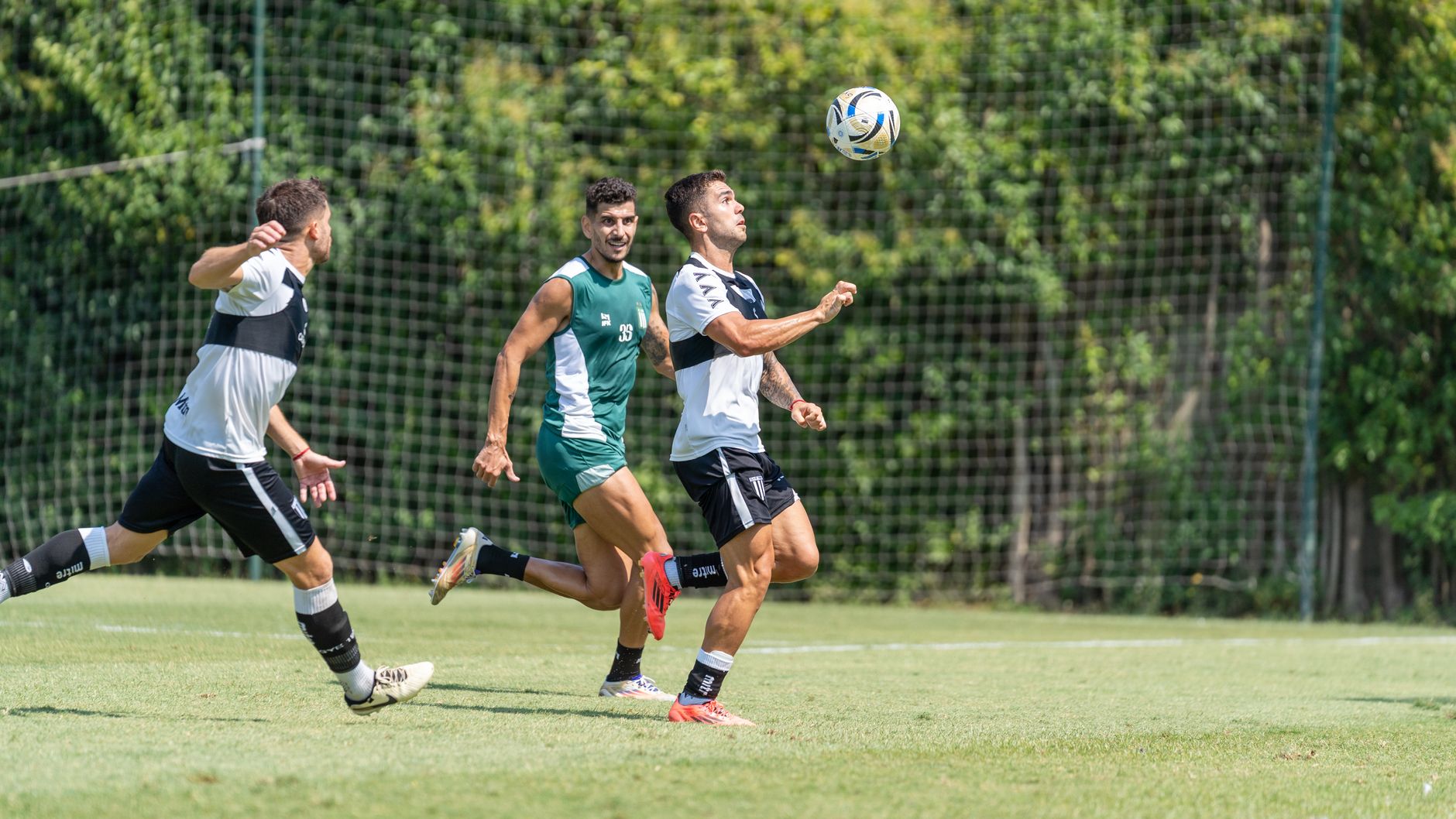
Photo by Franco Monsalvo on Pexels
The Top 3 Standings Takeaways at a Glance
The most useful way to read the Algeria national football team vs Austria national football team standings is not simply to count points. Placement, qualification route, goal difference, and late-match context all matter. Here are the three decisive conclusions from Group J:
- Austria — best overall standing: Second in Group J with four points and a direct route to the knockout round.
- Algeria — best third-place outcome: Third in Group J with four points, but still qualified among the eight strongest third-placed teams.
- Iran — most significant casualty: Eliminated because neither Algeria nor Austria won the final match.
This table summarises the match-specific information available from the reported standings:
| Team | Group position | Record | Points | Outcome |
|---|---|---|---|---|
| Austria | 2nd in Group J | 1-1-1 | 4 | Advanced |
| Algeria | 3rd in Group J | 1-1-1 | 4 | Advanced |
| Iran | Outside qualifying places | Not decisive here | — | Eliminated |
The 3-3 scoreline is particularly important because a victory by either Austria or Algeria would have changed the third-place calculation and potentially allowed Iran to continue as one of the eight best third-placed teams. That is the sort of edge casual readers miss while staring at the final score as if football tables politely explain themselves. Tactical Review therefore treats the result as a qualification event, not merely an entertaining draw.
Want the wider tournament context before comparing the teams?
#1 Austria: Best Overall Standing
Austria earned the strongest position in this comparison because second place in Group J delivered automatic progression without dependence on other groups. The Austrian scoring sequence also showed a clear tactical profile: Marko Arnautovic opened the match in the 28th minute, Marcel Sabitzer added a goal in the 55th, and Sasa Kalajdzic rescued the result in the 96th minute. Austria’s 3-3 draw therefore combined early attacking efficiency with a late aerial threat.
Austria’s reward was a Round of 32 meeting with Spain in Los Angeles, a substantially more demanding opponent than Algeria’s scheduled matchup with Switzerland in Vancouver. That does not mean Austria had the easier tournament path overall; it means the standings route was cleaner. The team did not need a best-third-place comparison, and the late equaliser protected its second-place status when elimination was briefly possible.
The practical betting insight is contrarian but useful: Austria’s second-place finish is safer to evaluate than its match performance. A table position confirms qualification route, not superiority in every department. Austria conceded three goals, allowed Algeria to score twice through Riyad Mahrez, and needed stoppage-time intervention. Anyone converting “second in the group” directly into “strong favourite next round” is doing spreadsheet theatre, not analysis.
For official competition background, compare the match report with the FIFA World Cup tournament pages.
Austria’s Standings Advantages
- Direct qualification from Group J.
- Second-place finish behind Argentina.
- Four points from three matches.
- Three different scorers against Algeria.
- A late equaliser that preserved qualification.
#2 Algeria: Best for Knockout Qualification Drama
Algeria’s outcome was the most unusual: the team finished third in Group J yet still advanced as one of the eight best third-placed sides. Rafik Belghali scored Algeria’s opening goal, while captain Riyad Mahrez struck in the 60th minute and again at 90+3. That second Mahrez goal appeared to give Algeria a 3-2 victory, but Kalajdzic’s header six minutes into stoppage time restored Austria’s qualification and left Algeria’s own progression intact.
This is where the Algeria national football team vs Austria national football team standings become more complicated than a conventional group table. Algeria collected four points, the same total as Austria, but ranking rules placed the teams differently because Austria held the superior group position. Algeria’s qualification depended on the broader tournament matrix, including the performance of third-placed teams elsewhere.
The information gain here is the late-goal edge case: Mahrez’s 90+3 strike did not merely alter the score; it temporarily threatened Austria while preserving Algeria’s own route. Kalajdzic’s 90+6 response then eliminated that danger. In practical terms, the match moved from a likely Algeria win to a shared qualification outcome within three minutes. That volatility matters when assessing live markets, where an apparently settled advancement price can become obsolete before the broadcast catches up.
To understand third-place calculations, consult this [internal link: World Cup group standings guide] before trusting a simplified table screenshot.
#3 Algeria–Austria Draw: Best Value for Context
The 3-3 draw is the best-value analytical angle because it explains more than either team’s ranking alone. Austria led through Arnautovic and Sabitzer, Algeria responded through Belghali and Mahrez, and both sides exchanged late goals during stoppage time. A match with six goals, three lead changes in the final phase, and two teams advancing can distort basic form judgments, so a responsible preview must separate event variance from repeatable quality.
One useful operational rule is to record the standings at three checkpoints: before kickoff, after the 90th minute, and after the final whistle. In this match, the 90-minute position was not the final competitive reality because Mahrez’s 90+3 goal and Kalajdzic’s 90+6 equaliser changed the qualification implications. That three-checkpoint method is rarely included in generic match summaries, yet it prevents the familiar mistake of evaluating a live position as if stoppage time were decorative.
The broader context also matters. Austria reached the knockout stage for the first time since 1982, while Algeria became the ninth of ten African teams to advance according to the cited reports. Those are historical signals, but they should not be confused with predictive guarantees. History gives texture; current lineups, injuries, opponent quality, and market prices determine value.
Review the BBC Sport live report alongside the ESPN match report for the minute-by-minute account.
Want a cleaner framework for separating qualification value from match value?
How Were the Algeria and Austria Standings Ranked?
The standings were ranked through the Group J table first, then through the tournament’s comparison of third-placed teams. Austria’s second-place finish gave it direct knockout qualification, while Algeria’s third-place position required enough points and ranking strength across the relevant third-place pool. The four-point total was the central numerical asset for both nations.
A sound ranking method should examine more than the final score. Tactical Review uses the following weighted model when assessing a group-stage standings dispute:
- Qualification route: 30% — direct advancement is more secure than third-place dependence.
- Points and record: 25% — Austria and Algeria both posted four points from a 1-1-1 record.
- Goal contribution: 20% — Austria had goals from Arnautovic, Sabitzer, and Kalajdzic; Algeria relied heavily on Mahrez.
- Late-match resilience: 15% — Kalajdzic’s 96th-minute equaliser was decisive.
- Opponent and bracket context: 10% — Austria drew Spain, while Algeria faced Switzerland.
That weighting explains why Austria ranks first for overall standings but does not automatically rank first for every betting market. Algeria’s qualification was more fragile, yet its attacking response after falling behind was impressive. The distinction is simple: standings answer “who progressed and how?”; tactical analysis asks “what can be repeated?” Those are different questions, and mixing them is how punters donate money to bookmakers with unnecessary enthusiasm.
What Did the 3-3 Draw Mean for Group J?
The 3-3 draw meant Austria finished second and Algeria finished third, with both teams advancing to the knockout stage while Iran was eliminated. Austria secured a direct route from Group J, whereas Algeria qualified as one of the eight best third-placed teams. The late equaliser was therefore decisive for Austria’s survival.
The result also demonstrates why final group standings must be read with tournament rules in view. If Austria or Algeria had won, Iran would have advanced under the scenario described by the reference reports. Instead, the shared point preserved both teams’ places and removed Iran from contention. This was not a dead rubber, despite the possibility that the players’ late choices might have suggested mutual caution at moments.
A quoted summary from the Associated Press report via ESPN described the fixture as a “win-win result,” which accurately captures the qualification consequence rather than every tactical detail. Meanwhile, the BBC Sport report highlighted the 96th-minute equaliser as the moment Austria confirmed its place in the last 32. Read together, those accounts provide stronger evidence than a copied standings graphic with no qualification explanation.
Which Team Should You Pick?
Pick Austria when your priority is the stronger standings position and the lower qualification uncertainty; pick Algeria when your focus is attacking upside, Mahrez’s influence, and value created by an underdog route. Austria finished second in Group J with four points, while Algeria finished third with the same four-point total, so the difference was progression status rather than points collected.
For future Algeria national football team vs Austria national football team comparisons, use this sequence:
- Confirm the official group position and points.
- Check whether the team advanced directly or through a third-place ranking.
- Review goal difference and goals scored, not just wins.
- Identify late goals that materially changed qualification.
- Compare the next opponent, venue, and rest period.
- Only then assess odds, implied probability, and potential value.
The strongest conclusion is deliberately narrow: Austria was the better standings performer, but Algeria was not a failed campaign. Both teams advanced, both collected four points, and both demonstrated enough resilience to survive a chaotic Group J finale. If a market prices Austria as dramatically superior solely because it finished second, challenge that assumption. Is a one-place table gap really worth an inflated price when the points total is identical?
Check the latest tournament information before making any decision, because lineups and markets can change faster than your confidence.
What Should You Verify Before Using the Standings?
Before using the Algeria vs Austria standings for prediction, verify the official table, the tournament qualification rules, the knockout opponent, and the latest team news. The published result provides the foundation, but it does not independently establish every market condition, price, injury update, or settlement rule.
A disciplined verification checklist protects against stale information and misleading screenshots:
- Confirm the match date: June 27, 2026.
- Confirm the final score: Algeria 3-3 Austria.
- Confirm both records: one win, one draw, one loss.
- Confirm both points totals: four.
- Confirm Austria’s second-place finish.
- Confirm Algeria’s third-place qualification.
- Confirm Iran’s elimination scenario.
- Confirm the next-round opponents: Spain for Austria and Switzerland for Algeria.
This is not needless fussiness; it is the minimum standard after being burned once by a scam site that treated an outdated table as gospel. The specific edge case is timing: a standings page updated before Kalajdzic’s 90+6 goal could briefly show a materially different qualification picture. Therefore, use established sources such as ESPN, BBC Sport, and FIFA rather than anonymous pages promising “guaranteed” predictions. Guaranteed football insight is usually just ordinary uncertainty wearing an expensive jacket.
[Internal Link: 2026 World Cup knockout-stage predictions]
Frequently Asked Questions
Q: What are the Algeria national football team vs Austria national football team standings?
A: Austria finished second in Group J with four points, while Algeria finished third with four points. Both teams recorded one win, one draw, and one loss across the group stage. Austria advanced directly, whereas Algeria qualified as one of the eight best third-placed teams. The 3-3 draw on June 27, 2026, confirmed both outcomes after Sasa Kalajdzic scored in the 96th minute.
Q: How did Algeria and Austria both qualify after drawing 3-3?
A: Austria qualified through second place in Group J, and Algeria qualified through the tournament’s third-place ranking system. The four-point total was sufficient for Algeria to rank among the eight best third-placed teams. The outcome also eliminated Iran, because a victory by either Algeria or Austria would have changed the relevant qualification calculation.
Q: What was the difference between Austria’s and Algeria’s standings?
A: The difference was group position and qualification route, not points. Austria placed second with four points and secured direct progression, while Algeria placed third with the same four points and depended on comparisons with third-placed teams in other groups. Austria’s stronger standing reflected the table ranking, but it did not mean Austria earned more points in the match or group.
Q: Who scored in Algeria vs Austria?
A: Marko Arnautovic, Marcel Sabitzer, and Sasa Kalajdzic scored for Austria, while Rafik Belghali and Riyad Mahrez scored for Algeria. Mahrez scored twice, including a goal at 90+3 that briefly put Algeria ahead. Kalajdzic’s header at 90+6 produced the final 3-3 score and secured Austria’s continuation in the tournament.
Q: Why did the Algeria vs Austria standings change so dramatically late in the match?
A: The standings implications changed because Mahrez and Kalajdzic scored during stoppage time. Algeria’s 90+3 goal temporarily made Austria vulnerable to elimination, while Kalajdzic’s 90+6 equaliser restored Austria’s qualification position. This is why live standings should be checked after the final whistle rather than treated as settled during added time.
Q: Which knockout opponents did Algeria and Austria receive?
A: Austria was scheduled to face Spain in Los Angeles, while Algeria was scheduled to meet Switzerland in Vancouver. Austria’s second-place finish created the Spain matchup, and Algeria’s third-place qualification produced the Switzerland matchup. Opponent quality, venue, rest, and confirmed lineups should be reviewed separately before evaluating either team’s next match.
Q: Is the Algeria vs Austria standings information enough to make a betting decision?
A: No, the standings are essential context but are not sufficient on their own for a betting decision. They confirm points, qualification route, and knockout placement, but they do not account for injuries, starting lineups, prices, market limits, or bookmaker settlement rules. Use the official table and reputable reports first, then compare probability with the available odds and only risk money you can afford to lose.
Algeria and Austria ended the Group J finale level on four points, but Austria earned the stronger second-place standing while Algeria advanced through the best-third-place route. The 3-3 score, Mahrez’s brace, and Kalajdzic’s 96th-minute header make this one of the clearest examples of why tournament tables require context, timing, and source verification. Tactical Review’s recommendation is straightforward: confirm the final standings and qualification pathway before interpreting form or value.
Ready to follow the 2026 World Cup with sharper match context?